How Headless CMS Supports Customer-Centric Digital Banking Experiences
Published Jun 18, 2026 | By Nouman Shakeel
Digital banking has changed how customers interact with financial institutions. People now expect banking services to be fast, clear, accessible, and available across many digital touchpoints. They may open an account through a website, check balances in a mobile app, receive service updates by email, explore product options in a customer portal, or use digital tools to understand loans, savings, payments, and account features. In each of these moments, content plays an important role. The words, explanations, instructions, product details, support messages, and educational resources customers see can shape how confident they feel when using digital banking services.
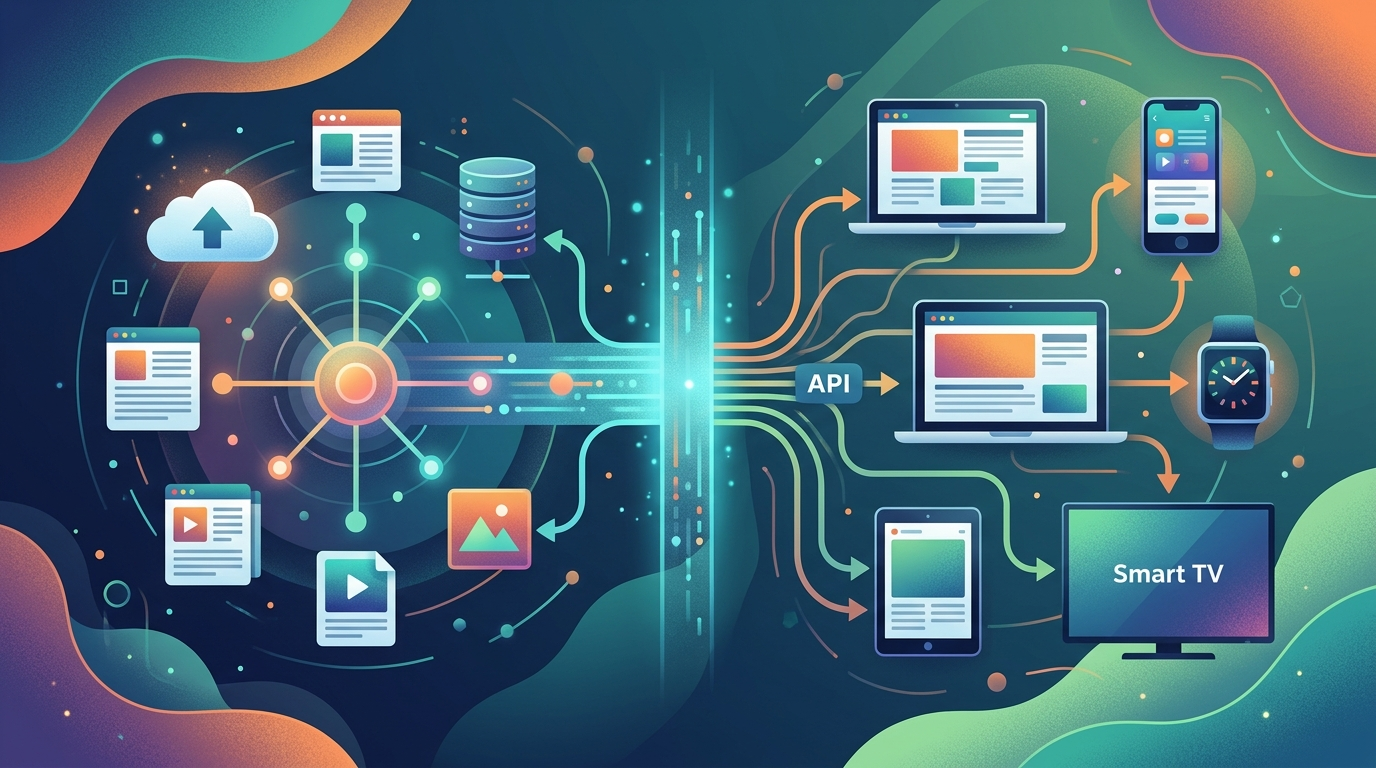
A headless CMS supports customer-centric digital banking by giving banks and financial institutions a more flexible way to manage and deliver content across different platforms. Instead of tying content to one website or one fixed layout, a headless CMS separates content from presentation and allows it to be delivered through APIs to websites, apps, portals, tools, and other digital experiences. This helps banks create more consistent, personalized, and useful customer journeys. It also allows internal teams to manage content more efficiently, keep information accurate, and adapt digital experiences around customer needs rather than system limitations.
Putting Customer Needs at the Center of Digital Banking
Customer-centric digital banking starts with understanding what customers need at different moments. A customer opening their first account may need simple explanations and reassurance. Read more about how tailored digital banking content can help customers find the right guidance, support, and financial information at each stage of their journey. Someone applying for a loan may need clear guidance, eligibility information, and step-by-step support. A business customer may need fast access to payment tools, account services, and financial guidance. If digital banking content is difficult to find or written in a generic way, customers may feel unsupported.
A headless CMS helps banks organize content around customer needs rather than only around internal product categories. Content can be structured by journey stage, financial goal, product interest, customer segment, or support need. This makes it easier to deliver relevant information at the right time. Instead of forcing customers to search through large amounts of content, the bank can guide them toward the explanations, tools, and next steps that match their situation. This creates a more helpful digital banking experience and makes the customer journey feel more personal.
Delivering Consistent Content Across Banking Channels
Customers often move between several banking channels in one journey. They may research a product on a website, start an application on a mobile device, continue inside a customer portal, and later receive an email with next steps. If the information changes from one channel to another, the experience can feel confusing. In banking, consistency is especially important because customers need to trust that the information they receive is accurate and reliable.
A headless CMS allows banks to manage approved content centrally and deliver it across multiple digital channels. Product descriptions, account details, support messages, fee explanations, educational guides, and onboarding instructions can all come from the same structured content source. Each channel can still present the content in a way that fits the screen and customer context, but the underlying message remains aligned. This reduces duplication and helps prevent outdated or conflicting information from appearing across different platforms. For customers, consistent content creates a smoother and more trustworthy banking experience.
Supporting Personalized Customer Journeys
Personalization is an important part of customer-centric banking because different customers have different goals, questions, and levels of financial knowledge. A young customer may need help understanding basic account features, while a homeowner may be looking for mortgage guidance. A small business owner may need content about business banking, payment solutions, or cash flow tools. Showing the same content to every customer can make digital banking feel less relevant.
A headless CMS supports personalization by allowing content to be tagged and organized in a structured way. Banks can classify content by customer type, product interest, financial goal, region, language, or journey stage. This content can then be connected with personalization tools, customer data systems, or marketing automation platforms to deliver more relevant experiences. For example, a customer exploring savings products could see educational content about savings goals, while a business customer could see guidance related to business accounts. This helps banks provide more meaningful content without creating separate systems for every audience.
Making Banking Content Easier to Understand
Banking products and services can be complex. Customers may need to understand account types, service fees, loan terms, payment processes, eligibility rules, security steps, and digital banking features. If this information is written in long, unclear, or overly technical language, customers may struggle to make confident decisions. A customer-centric experience should make important information easier to understand, not harder.
A headless CMS helps content teams structure banking information in a more accessible way. Instead of managing content as large blocks of text, teams can break it into clear components such as overviews, key benefits, steps, FAQs, definitions, warnings, and support links. This makes it easier to present information in a logical order across different digital experiences. A website page can show a full explanation, while a mobile app can display a shorter version or contextual help message. By structuring content carefully, banks can make financial information easier to read, easier to reuse, and easier for customers to act on.
Improving Onboarding for New Banking Customers
The onboarding process is a critical part of the digital banking experience. New customers often need to understand how to set up accounts, verify identity, activate cards, use online banking tools, set preferences, and access support. If onboarding content is scattered or unclear, customers may become frustrated before they fully begin using the service. A smooth onboarding experience helps build confidence from the start.
A headless CMS can support better onboarding by delivering the right content at each stage of the process. Step-by-step instructions, help text, security explanations, account setup guidance, and welcome messages can be managed centrally and delivered into websites, apps, email journeys, and customer portals. This ensures that customers receive consistent guidance no matter where they complete the onboarding journey. It also allows banks to update onboarding content quickly when processes change. By making onboarding clearer and more connected, a headless CMS helps banks create a stronger first impression and reduce unnecessary friction for new customers.
Connecting Educational Content With Banking Products
Customers often need education before they feel ready to choose or use a banking product. Someone comparing savings accounts may need to understand interest, access options, and account features. A customer exploring loans may need guidance on repayment, eligibility, and application steps. If educational content is separated from product pages, customers may have to search for answers on their own, which can make the journey feel disconnected.
A headless CMS allows banks to connect educational content directly with product communication. Product pages can link naturally to related guides, FAQs, glossary terms, calculators, and support articles. Because content is structured, these connections can be managed more easily and reused across multiple channels. For example, a loan page can display related content about repayment planning, application requirements, and common questions. This creates a more supportive customer experience. Instead of simply presenting products, banks can help customers understand how those products work and whether they match their needs.
Helping Teams Maintain Accurate Customer Information
Accuracy is essential in digital banking. Customers rely on digital content to understand fees, terms, product features, application requirements, branch information, service availability, and support processes. If information is outdated or inconsistent, customers may lose confidence or contact support for clarification. Managing accuracy becomes harder when content is copied across many platforms and maintained manually by different teams.
A headless CMS helps banks maintain accurate information by centralizing content and reducing duplication. Reusable content components can be created for repeated information such as fee explanations, product details, eligibility requirements, and support instructions. When an update is needed, teams can update the relevant content entry instead of searching through many pages and systems. Approval workflows can also help ensure that important changes are reviewed before publication. This creates a more controlled content operation and helps customers receive current, reliable information across websites, apps, portals, and other digital touchpoints.
Supporting Faster Updates Without Sacrificing Control
Digital banking content often needs to change quickly. Banks may need to update product information, service messages, onboarding steps, customer notices, educational resources, or support guidance. However, speed must be balanced with control, especially in financial services where accuracy and approval processes matter. If every update requires developer support or manual changes across several systems, teams may struggle to respond efficiently.
A headless CMS gives content teams more flexibility while still supporting governance. Marketers, product teams, and customer experience teams can update structured content within approved workflows, while developers maintain the front-end experiences that display it. This means content changes can happen faster without requiring code updates for every small adjustment. At the same time, permissions and approval stages help ensure that sensitive banking information is reviewed properly. This combination of speed and control is important for customer-centric banking because customers benefit from timely information, but they also need that information to be accurate and trustworthy.
Improving Mobile Banking Experiences
Mobile banking is one of the most important digital channels for modern customers. People use mobile apps to check balances, transfer money, review account activity, manage cards, access support, and receive important updates. Because mobile screens are smaller, content needs to be concise, clear, and context-specific. Long explanations that work on a desktop website may not be suitable for an app experience.
A headless CMS supports better mobile banking by allowing content to be adapted for different formats without losing consistency. A full product explanation can be used on a website, while a shorter version, tooltip, or step-by-step message can appear inside the mobile app. Since the content is managed from the same structured source, teams can keep messages aligned while tailoring the presentation to the channel. This helps customers get the information they need without feeling overwhelmed. For banks, this creates a more flexible way to support mobile-first customer behavior while maintaining control over content quality.
Strengthening Self-Service Support
Many customers prefer to solve simple banking questions on their own before contacting support. They may look for information about account access, card settings, payments, transfers, fees, password resets, security steps, or product features. If self-service content is difficult to find or inconsistent across channels, customers may become frustrated and support teams may receive more repetitive questions.
A headless CMS can improve self-service support by organizing help content into reusable and searchable components. FAQs, support articles, troubleshooting steps, glossary terms, and instructional messages can be connected to relevant customer journeys. For example, a customer inside a mobile banking flow could see contextual help without leaving the app, while a website visitor could find the same approved guidance in a support center. This creates a more connected support experience. Stronger self-service content helps customers solve problems faster and allows support teams to focus on more complex needs.
Conclusion
Headless CMS supports customer-centric digital banking experiences by helping banks deliver clear, consistent, personalized, and accurate content across many digital channels. Customers interact with banks through websites, mobile apps, portals, emails, support centers, onboarding flows, and digital tools. Each of these touchpoints needs content that helps customers understand what to do, where to go next, and how to make informed decisions.
By centralizing content, supporting reusable components, improving personalization, enabling faster updates, and connecting educational resources with customer journeys, a headless CMS gives banks a stronger foundation for digital customer experience. It also helps internal teams work more efficiently while maintaining the control needed for financial communication. As banking continues to become more digital, customer expectations will continue to rise. A headless CMS helps banks meet those expectations by making content more flexible, relevant, and trustworthy across the entire digital banking journey.