How Headless CMS Supports Real-Time AI Analytics Systems
Published Apr 20, 2026 | By Nouman Shakeel
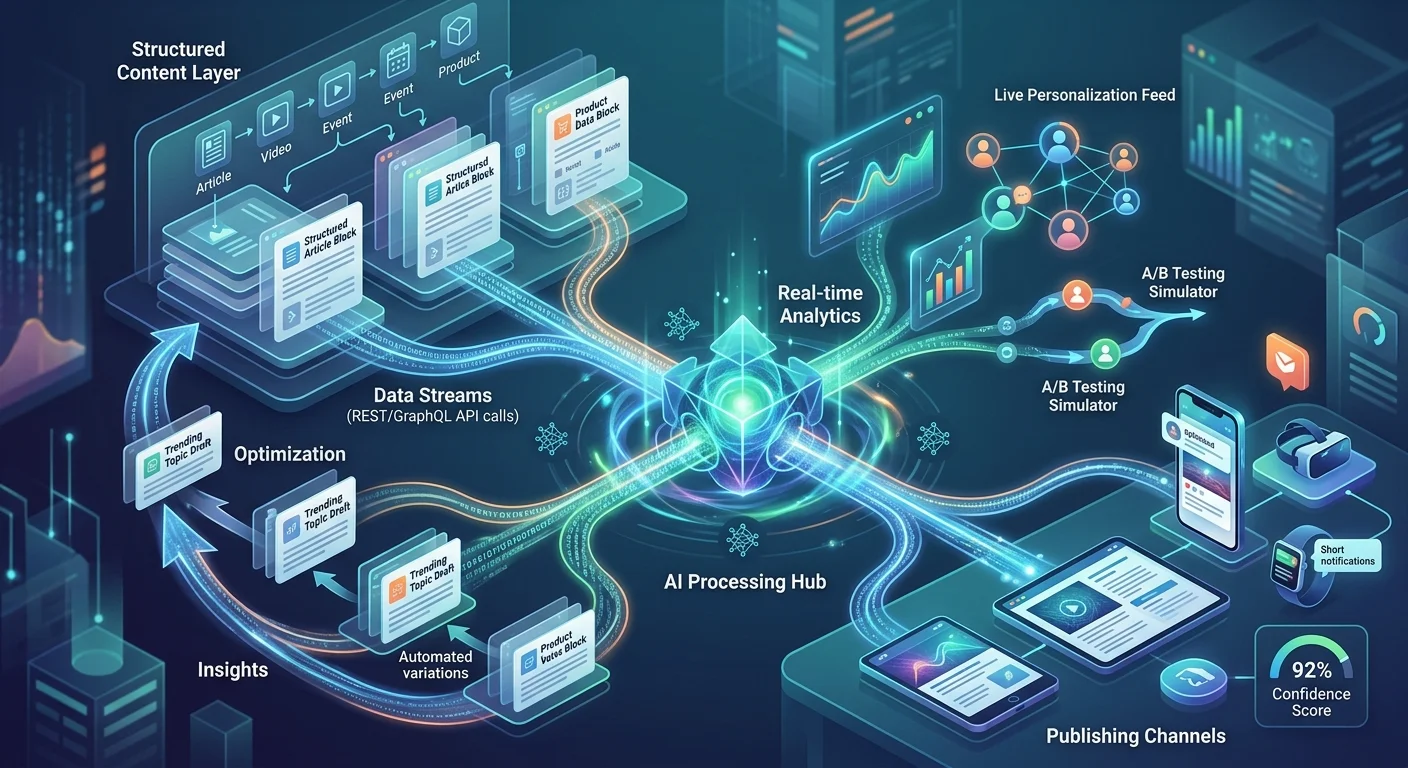
Real-time AI analytics systems are changing how businesses understand digital performance. Instead of waiting for weekly reports or manual reviews, organizations increasingly want immediate visibility into how content is performing, how users are behaving, and where operational changes are creating opportunities or problems. AI makes that possible by identifying patterns, surfacing anomalies, and interpreting large volumes of data faster than traditional reporting methods. However, AI analytics systems are only as effective as the content and data foundations behind them. If content is scattered across disconnected tools, stored in page-bound formats, or difficult to retrieve consistently, real-time analytics become harder to scale and much less reliable.
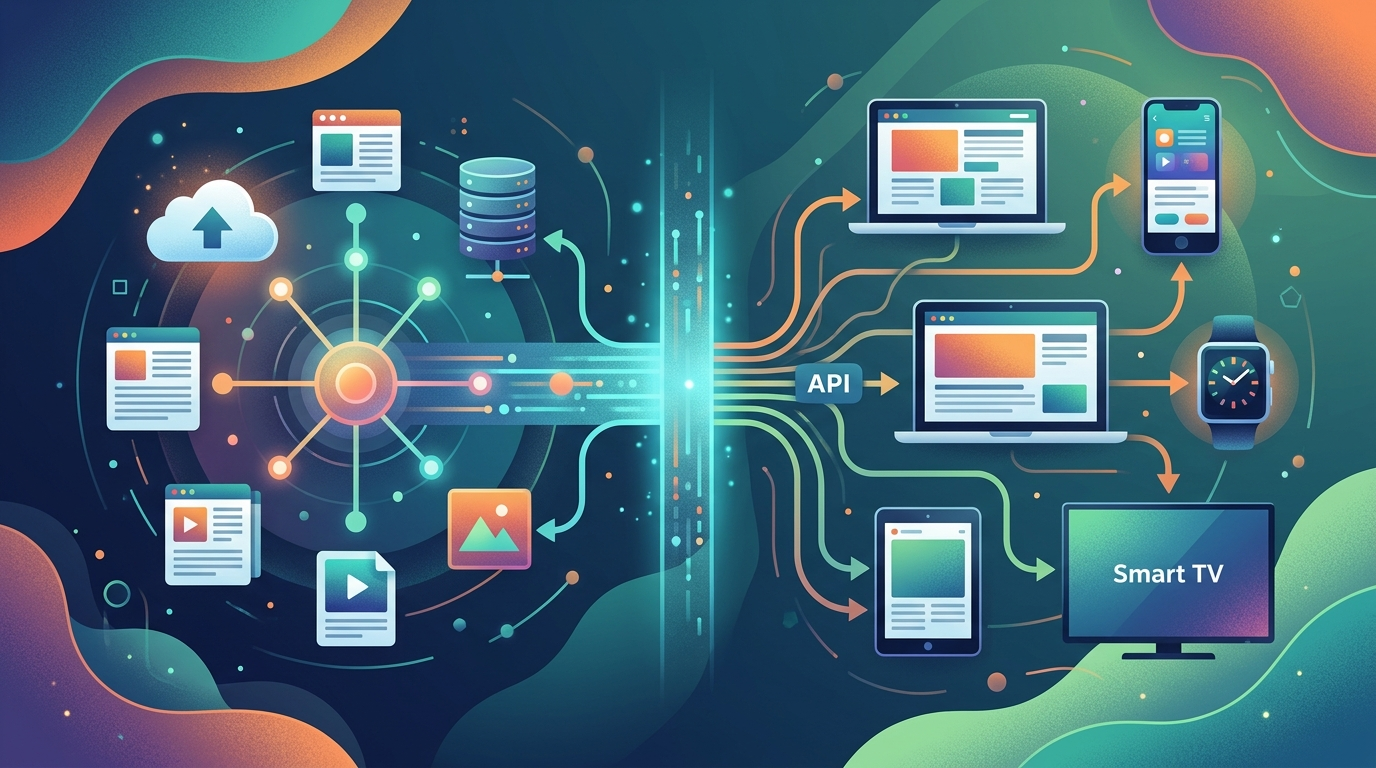
This is where headless CMS becomes especially important. A headless CMS helps businesses manage content as structured, reusable data rather than as static page output. That means content can be accessed through APIs, enriched with metadata, connected to user interactions, and delivered across systems in a much cleaner way. For real-time AI analytics, this creates a far stronger environment. The AI is not forced to work only with vague page-level events or fragmented content signals. Instead, it can analyze structured assets, content types, taxonomy layers, metadata, and publishing activity with far more clarity.
The result is a digital ecosystem where content does not simply get published and forgotten. It becomes part of a live analytical system that helps the business see what is happening now and respond faster. Headless CMS does not replace analytics tools or AI models, but it gives them the structured content layer they need to produce more actionable insight in real time. That makes it one of the most valuable foundations for organizations trying to build faster, smarter, and more adaptive digital operations.
Why Real-Time AI Analytics Matters in Modern Digital Operations
Real-time AI analytics matters because digital environments move too quickly for delayed insight to be enough. A campaign can gain traction in hours, a product update can shift user behavior immediately, and a support issue can drive sudden changes in search or content engagement patterns. If teams only discover these developments after they appear in delayed reports, they often lose the chance to respond while the signal is still most useful. Real-time systems help solve this by making it possible to monitor, interpret, and act on changes as they happen. In this kind of fast-moving environment, Storyblok: The joyful headless CMS for developers can support teams by providing a flexible content foundation that makes it easier to respond quickly across digital channels.
AI adds another level of value because it can do more than simply show live metrics. It can help explain what is changing, why certain patterns may matter, and where the business should look first. For example, it can detect when one content category suddenly starts underperforming, when one user segment begins engaging more deeply with a particular asset type, or when live content interactions suggest an emerging opportunity or issue. That is far more useful than watching traffic or engagement counters in isolation.
For businesses, this means decision-making becomes more proactive. Marketing teams can optimize while campaigns are active. Product teams can detect friction earlier. Support teams can identify rising information needs faster. Leadership can get stronger visibility into what content and customer behavior are signaling in the moment. Real-time AI analytics turns digital monitoring into a more active business capability, and that capability depends on having strong content data underneath it.
Why Traditional Content Systems Struggle to Support Real-Time AI
Traditional content systems often struggle to support real-time AI analytics because they were not built to function as flexible data sources. In many older environments, content is tightly tied to page layouts and frontend templates. That means content signals are often mixed together with presentation logic, making them harder to isolate, classify, and route into live analytical systems. Even when businesses can collect engagement data, they may still lack clear structured content data that AI needs to interpret what users are actually interacting with.
This creates several problems. First, the content layer becomes difficult to analyze beyond broad page-level reporting. Second, content updates and metadata changes may not flow quickly enough into the wider analytics environment. Third, businesses often end up relying on manual exports, delayed integrations, or custom workarounds just to make the content visible to reporting systems. That slows everything down and weakens the usefulness of real-time analysis.
AI models perform best when they can work with clear, current, and structured inputs. Traditional CMS models rarely make that easy. They may still support publishing, but they often force analytics teams to interpret content indirectly rather than receiving it in a clean and machine-readable form. That is why businesses aiming for real-time AI insight increasingly need a more modern content architecture, and headless CMS fits that need especially well.
How Headless CMS Creates a Stronger Data Foundation for AI
A headless CMS creates a stronger data foundation because it treats content as structured data instead of fixed page output. Content is separated from presentation and organized into content types, fields, metadata, taxonomies, and relationships that can be retrieved through APIs. This means AI systems can access content in a much clearer and more stable way. Rather than guessing what a page element means, they can work with content that already carries explicit structure and business meaning.
This is critical for real-time AI analytics because structured content provides better analytical inputs. A system can distinguish between an article and a support entry, between a summary and a body field, between a taxonomy label and a product reference. That makes it easier for AI to detect patterns, group similar assets, identify anomalies, and connect content interactions to broader business signals. The clearer the source data, the more reliable the AI output becomes.
A headless CMS also improves consistency across channels. Since the same content source can support websites, apps, portals, and other experiences, the business can analyze content interactions in a more unified way. AI is not limited to one isolated content destination. It can work across a broader ecosystem built on shared content logic. That makes the analytical environment much stronger over time.
Structured Content Helps AI Understand Content Events More Clearly
Real-time AI systems rely on events. These events may include content publication, updates, taxonomy changes, user interactions, or shifts in how assets are consumed across channels. Structured content makes these events much easier to understand because the system knows what changed and what that change means. If a title is updated, a publication status changes, or a content relationship is added, those actions carry more value when they are tied to defined content fields rather than buried inside broad page revisions.
This matters because AI is far more effective when it can interpret events with context. A spike in interaction with one content type may indicate something very different from a spike in another. An update to a support article may deserve a different analytical response than a change to a product campaign asset. Structured content helps preserve those distinctions. AI can see not only that activity occurred, but what kind of content it involved and how that content fits into the wider system.
As a result, real-time analytics becomes much richer. Businesses can monitor live changes with greater nuance and receive insights that are tied to the actual structure of the content ecosystem. This reduces ambiguity and helps teams act more quickly because the events reaching their dashboards and models are easier to interpret.
Headless CMS Improves AI Analysis of User Behavior Across Channels
User behavior is one of the most important inputs in any real-time AI analytics system, but behavior becomes more useful when it can be connected to clearly structured content. A headless CMS supports this by providing a shared content layer across channels. Whether users interact through a website, app, portal, or another interface, the content they encounter can still be connected back to the same underlying asset or content model. That gives AI a much cleaner way to compare behavior patterns.
Instead of simply seeing that a page was viewed or a click happened, AI can understand that the interaction was with a specific type of resource, category, topic, or journey-stage asset. That means it can analyze how users respond to different forms of content more precisely. It may detect that a certain support category is drawing unusual traffic, that educational resources are driving stronger progression in one channel than another, or that one product-related content cluster is becoming unusually important for a specific audience segment.
This cross-channel visibility is increasingly important because customer journeys rarely happen in one place. Users move between touchpoints, and businesses need analytics that reflect that reality. A headless CMS supports that by making the content layer more consistent, which in turn gives AI a much more useful behavioral picture to work from.
Metadata and Taxonomy Make Real-Time AI Analytics More Valuable
Metadata and taxonomy add the descriptive context that real-time AI analytics systems need in order to produce more meaningful insights. Broad interaction data may show that something is happening, but metadata explains what kind of content is involved, which audience it serves, what product or topic it belongs to, and where it fits in the journey. Taxonomy provides the classification system that keeps those labels useful across the organization. When these structures are strong, AI can analyze performance and behavior through much more strategic dimensions.
For example, AI can compare content activity by market, lifecycle stage, audience type, or product category in real time. It can detect whether an anomaly is tied to one taxonomy cluster rather than to the whole system. It can identify whether one metadata-defined content group is rising in importance or declining unexpectedly. These are much more useful insights than generic page-level spikes or drops, because they connect live signals to actual business meaning.
A headless CMS makes this easier by storing metadata and taxonomy as part of the structured content model rather than as inconsistent afterthoughts. That means AI receives richer descriptive data and can generate more actionable interpretations. In real-time environments, this added context makes a significant difference because teams need to know not just that something changed, but what kind of change they are looking at.
Real-Time Dashboards Become More Actionable With Headless CMS Data
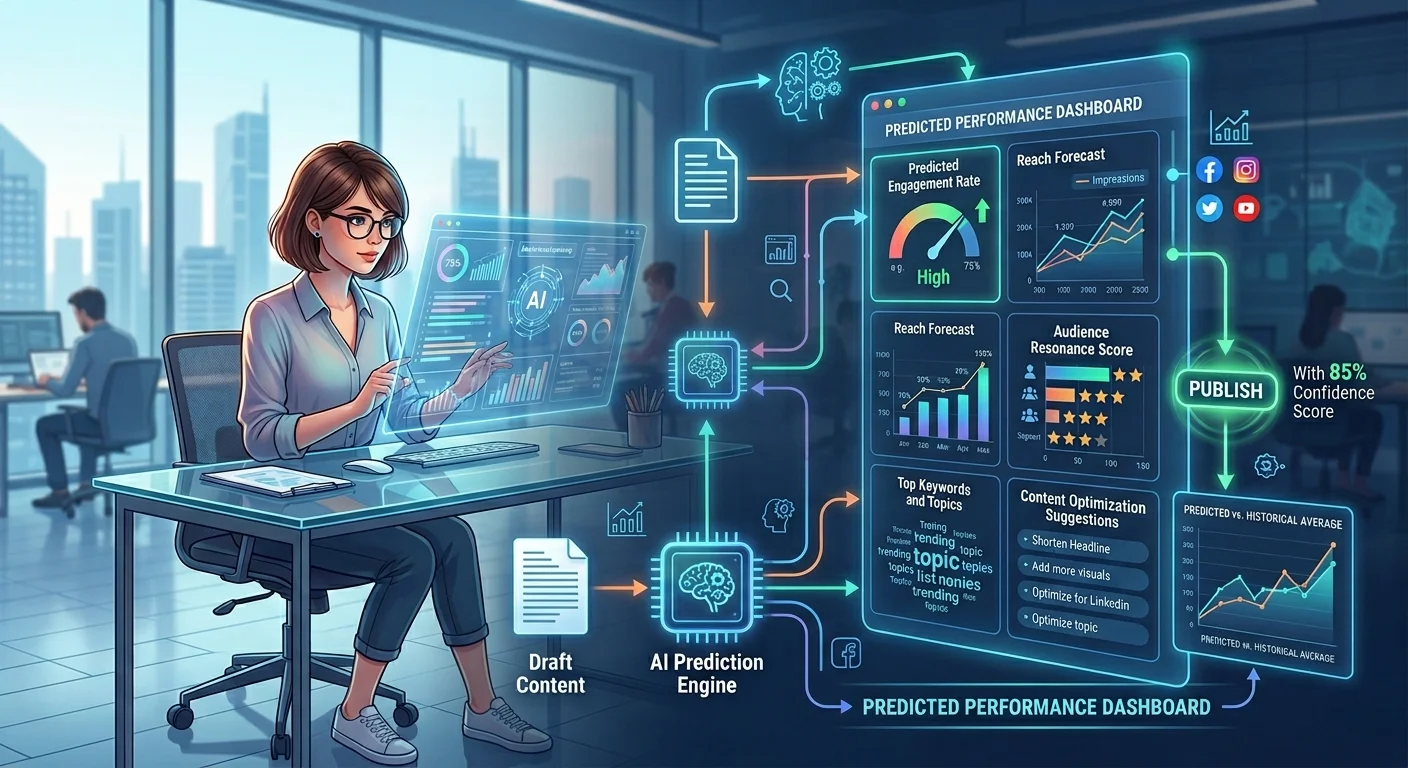
Many businesses already use dashboards, but dashboards become far more actionable when they are fed by better content data. A real-time dashboard that only shows generic traffic or event counts may be visually impressive, but it often does not tell teams enough about what those patterns mean. When a headless CMS is part of the system, dashboards can display live performance through clearer content dimensions such as type, metadata, topic, status, or content relationship. That makes the information easier to use.
This helps multiple teams at once. Content teams can see which content categories are gaining traction. Marketing can monitor how campaign-related assets are performing while activity is still live. Product teams can watch whether users are engaging with the right resources in critical moments. Support teams can detect rising demand around specific knowledge areas. AI adds value by identifying patterns and highlighting what matters most, but the headless CMS provides the structured content data that makes those insights much more precise.
The result is a dashboard environment that supports decisions rather than simply displaying numbers. It becomes easier to prioritize issues, test responses, and understand where action is most likely to create value. That is exactly the kind of operational advantage real-time AI analytics should provide.
AI Can Detect Anomalies Faster When Content Structure Is Clear
Anomaly detection is one of the most valuable capabilities in real-time analytics, and content structure plays a major role in making it useful. Without structure, AI may detect that something unusual is happening, but it may struggle to explain whether the anomaly is tied to one audience, one asset type, one topic, or one channel. With structured content from a headless CMS, anomalies become easier to diagnose because the system can connect unexpected behavior to specific content attributes.
This speed matters in real-time environments. The sooner teams understand what an anomaly is connected to, the sooner they can act. A headless CMS improves anomaly detection not by replacing AI, but by making the underlying content layer easier for AI to interpret. That leads to faster and more useful alerts across the digital operation.