Record increase in Chinese vehicle exports, Pakistan's auto market also started changing
Published 10 days ago | By Nouman Shakeel
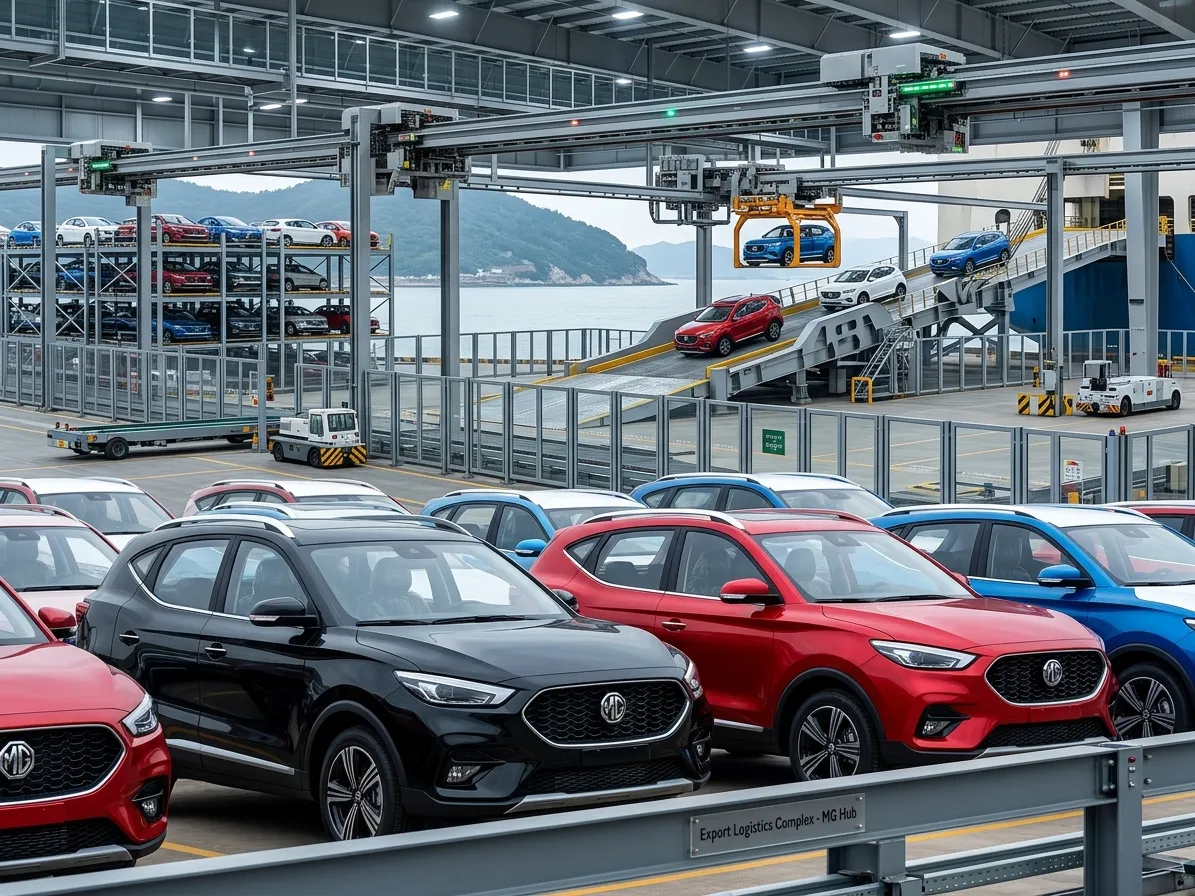
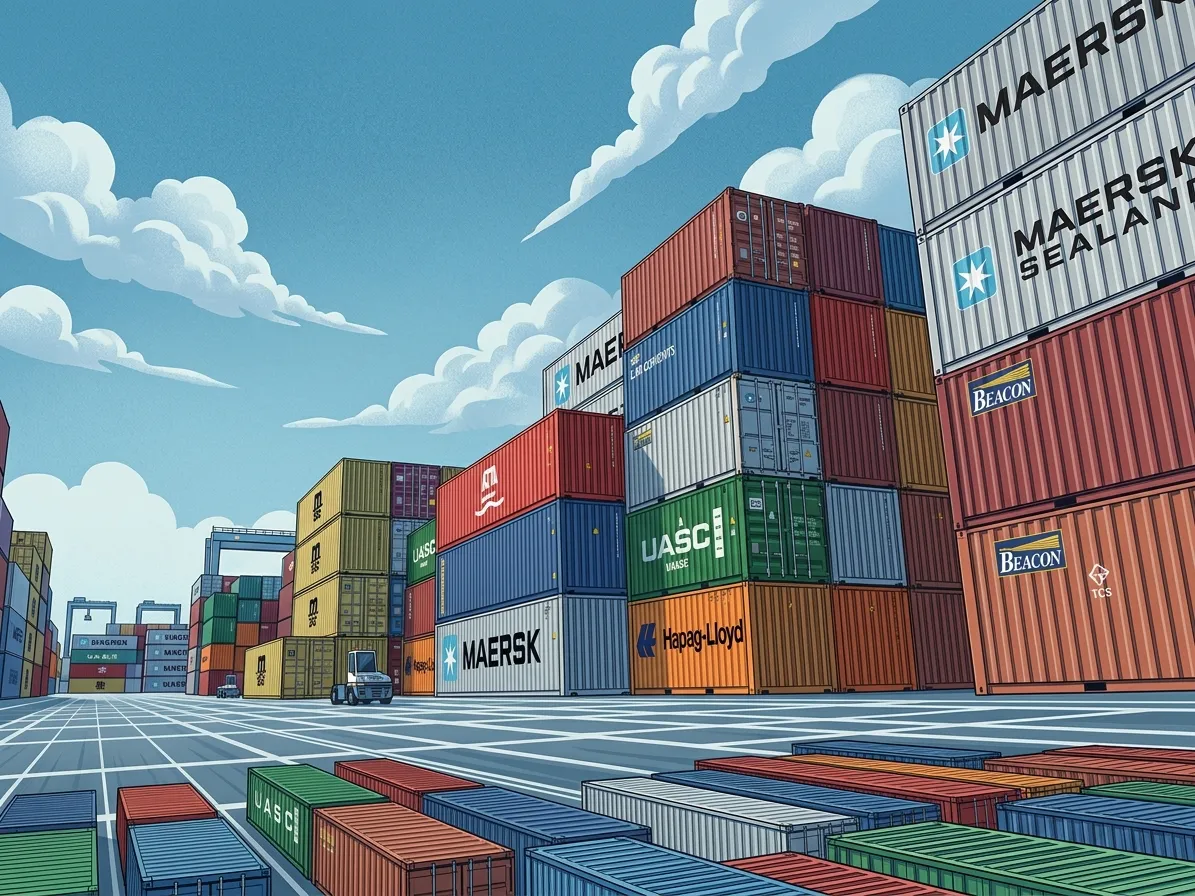
China's automobile industry has set a new record for vehicle exports this year. By August 2024, overseas sales of Chinese vehicles had already surpassed the total figures for the entire previous year, prompting Chinese companies to increasingly focus on rapidly emerging global markets.
Trade barriers in Western nations and excess production capacity within China have compelled Chinese automakers to seek out new markets. Pakistan is among the markets where the presence of Chinese companies has grown significantly in recent times.
Major Shift in Pakistan's Auto Market
The expansion of Chinese companies has created a new competitive landscape for Toyota, Honda, and Suzuki—brands that have long dominated Pakistan's auto market.
Various Chinese brands have carved out a niche for themselves, particularly in the SUV and crossover segments. The electric vehicle (EV) sector is also expanding rapidly with the arrival of companies such as BYD and Deepal.
Pakistan's New Energy Vehicle Policy (2025–30) is playing a pivotal role in driving this transformation. The policy sets a target for New Energy Vehicles to capture a 30% market share by 2030 and a 50% share by 2040.
Charging Network for Electric Vehicles
The policy also includes a plan to establish 3,000 public fast-charging stations across the country by 2030. Additionally, measures such as imposing a carbon levy on conventional fuel-powered vehicles, offering incentives for electric vehicles (EVs), and capping charging tariffs at approximately 40 rupees per kilowatt-hour have been proposed.
For Pakistan, the transition to electric vehicles is not merely an environmental issue; it holds significant importance regarding energy and foreign exchange. The country imports large quantities of petroleum products—consuming valuable foreign exchange—while the power sector simultaneously grapples with issues like excess generation capacity and low demand.
Vehicle Assembly Alone Is Not Enough
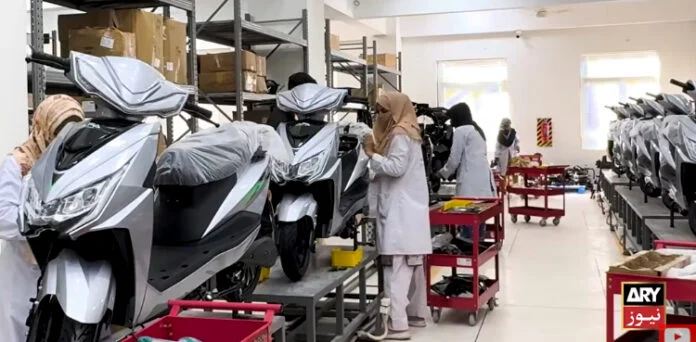
According to experts, the potential benefits derived from importing and locally assembling Chinese electric vehicles could remain limited if critical components—such as battery packs, motors, electronics, and other parts—continue to be imported from abroad.
A key challenge for Pakistan is to leverage Chinese technology and investment to enhance local industrial capacity, rather than restricting it solely to vehicle assembly.
In this regard, local production could be promoted in areas such as battery pack assembly, wiring harnesses, castings, plastics, vehicle interiors, charging equipment, and thermal management systems. While the local manufacturing of complex technologies like battery cells and advanced semiconductors may prove difficult in the short term, opportunities exist for local investment in other segments of the value chain.
Competition Between Electric and Hybrid Vehicles
The availability of charging infrastructure will also be crucial for the promotion of electric vehicles. Meanwhile, competition between electric and hybrid vehicles is intensifying in Pakistan, with Japanese companies striving to maintain their market presence through hybrid technology.
Thus, while the influx of Chinese electric vehicles into Pakistan's auto market is rising, hybrid technology is simultaneously holding its ground.