Cotton reserves in Pakistan are dangerously low, textile mills are afraid of closure
Published 2 hours ago | By Pak24tv
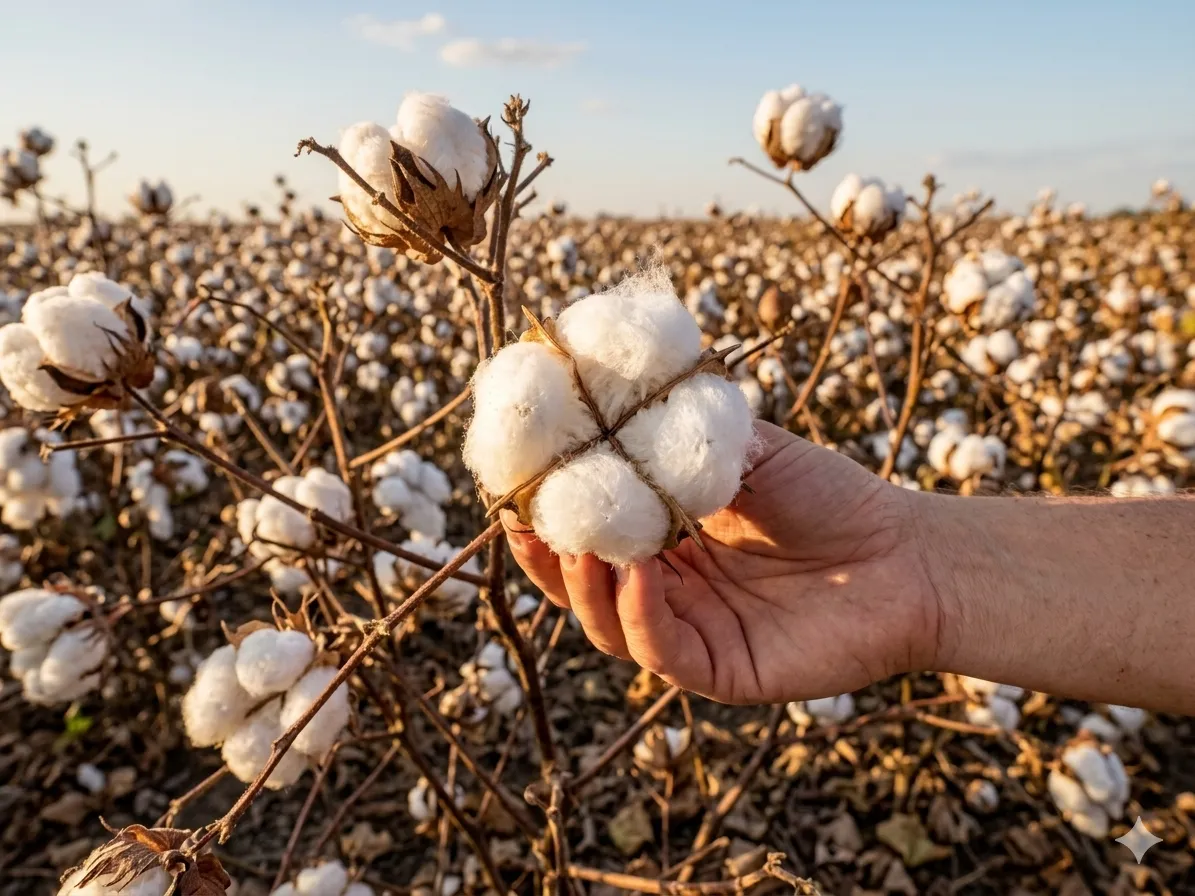
For the first time in Pakistan’s history, cotton reserves in the country have fallen below 10,000 bales even before the start of the new cotton ginning season. The situation is so alarming that fears are being expressed that several textile mills will become inactive in the coming weeks. Chairman Cotton Ginners Forum Ehsan ul Haq told Express News that there are several factors behind this crisis.
The biggest problem is the closure of the Pak-Afghan border, due to which about 500,000 bales of cotton from Afghanistan could not reach Pakistan. In addition, import activities have also been affected due to the ongoing tension in the Gulf. These two factors together have created a severe shortage of cotton for local textile mills, which has also affected prices. Last week, the price of cotton in the local market reached Rs 22,000 per maund, while on late payment, this price reached Rs 23,500 per maund.
According to Ehsan ul Haq, the new cotton ginning season is likely to start immediately after Eid-ul-Adha, i.e. in the third week of June, which will be able to meet the needs of textile mills to some extent. But the problem is that the situation for the next season is also not very promising because at present, sowing is being done in cotton zones, but agricultural costs are at record levels. DAP fertilizer has reached Rs 16,000 per bag and urea has reached Rs 4,500 per sack. Diesel and electricity prices are also high. In such a situation, farmers will use less fertilizers, which will reduce the yield per acre and Pakistan will once again have to import cotton and edible oil on a large scale.
On the other hand, the chairman gave the example of India, which is moving very wisely in this matter. India has allocated a fund of Rs 5,659 crore to increase cotton production from 2026 to 2031. The fund will be used to increase production, develop improved seeds and upgrade over 2,000 ginning and processing factories. The target is to increase annual production to 49.8 million bales by 2031.
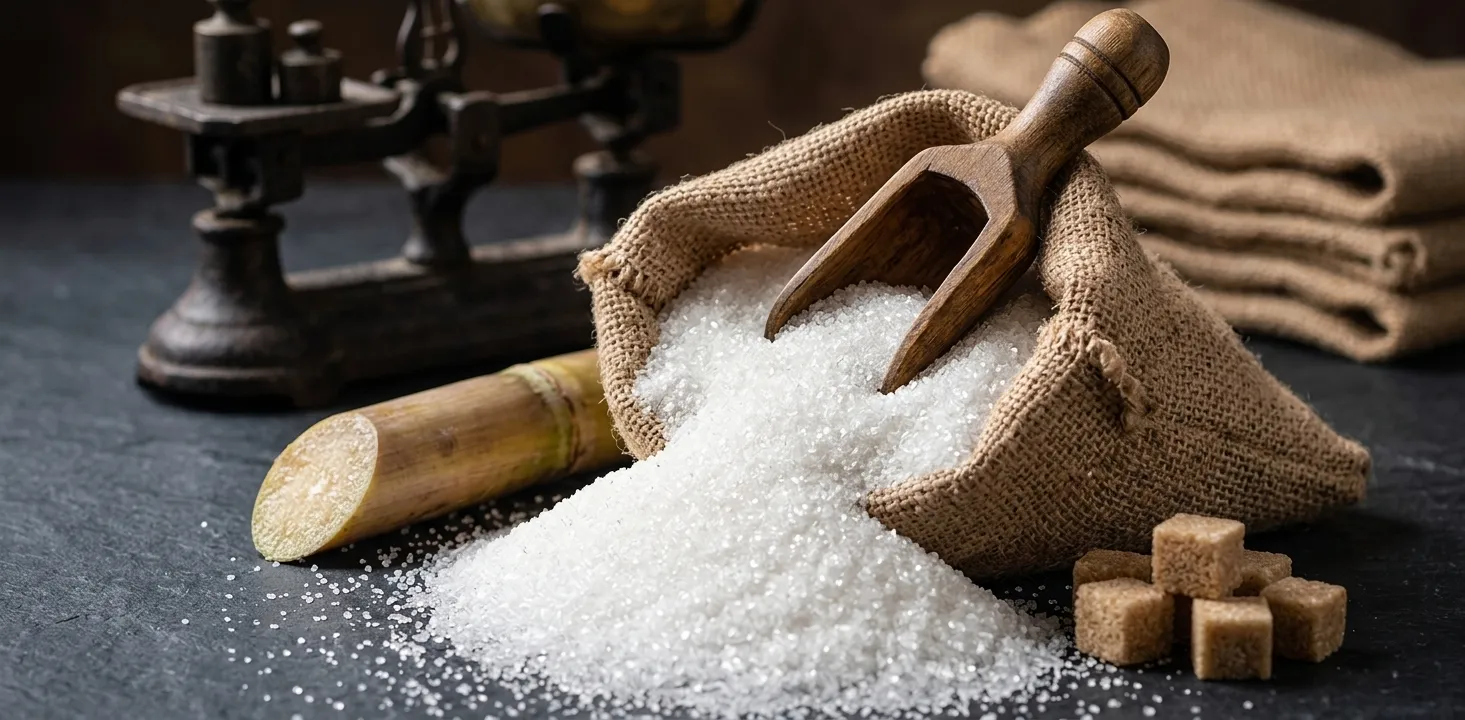
Ehsan ul Haq stressed that Pakistan will also have to take urgent steps to become self-sufficient in cotton. First, sugarcane cultivation should be completely banned in cotton zones because sugarcane is eating up cotton land. If these steps are not taken, Pakistan will continue to spend billions of dollars every year on cotton and edible oil imports, which is a huge burden on the country’s foreign exchange reserves.