Cotton production in Pakistan has dropped to less than half, causing an annual loss of $2 to $3 billion
Published Jul 22, 2026 | By Nouman Shakeel
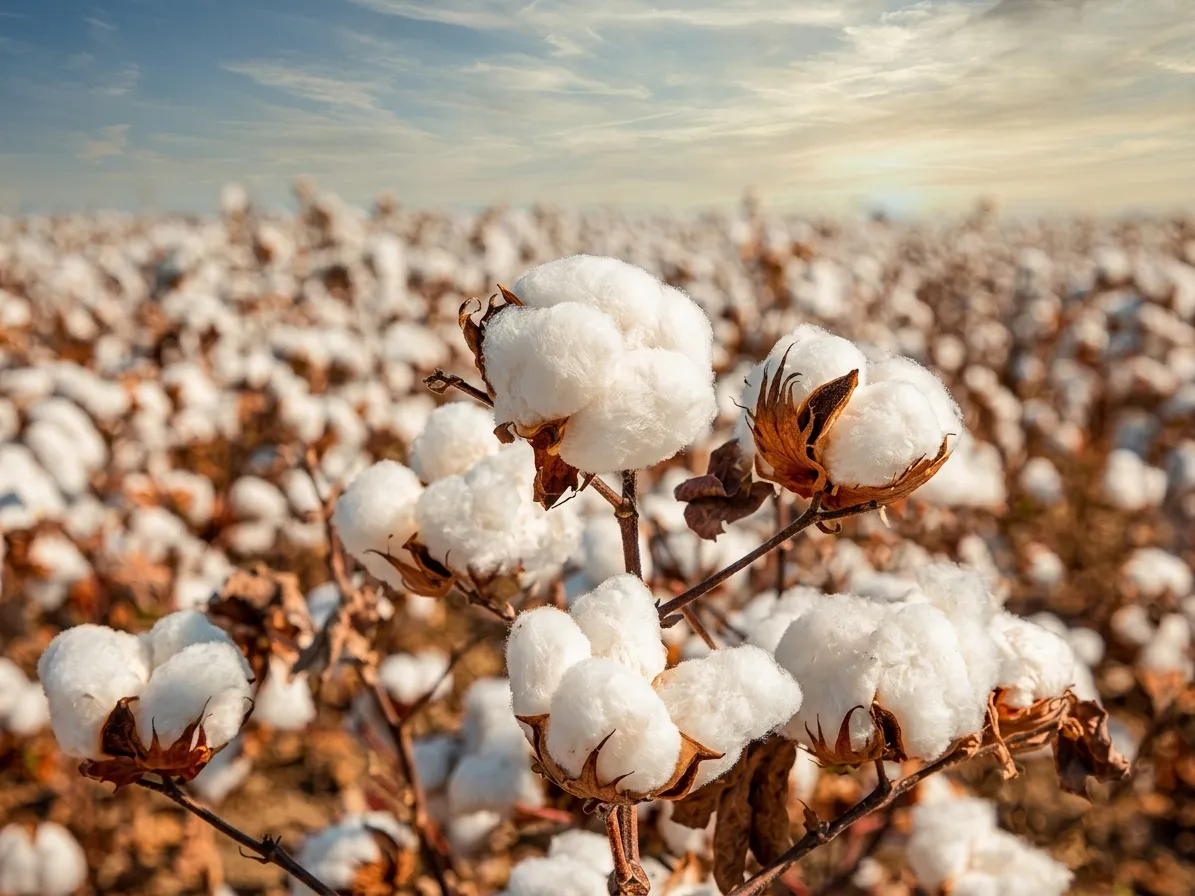
Cotton production in Pakistan has fallen to less than half of its peak.
Due to the decline in production, the country is facing an economic loss of $2-3 billion annually in the form of additional imports and reduced export earnings.
This is stated in the “Seeds of Growth” report released by the Overseas Investors Chamber of Commerce and Industry. The report is based on the views and observations of OICCI’s member companies involved in the agriculture sector.
According to the report, the agriculture sector contributes about 23 percent to the country’s gross national product and employs 37 percent of the workforce, but rather than a lack of modern technology or investment, Pakistan’s agricultural production has lagged behind other countries in the region due to delays in regulatory approvals and inconsistent policies.
According to the report, cotton production, which reached about 14 million bales at its peak, declined to about 6.85 million bales in the financial year 2025-26, which is 34% less than the government’s target of 10 million bales.
According to the report, climate change, pest attacks, use of substandard seeds and ban on some agrochemicals without providing suitable scientific alternatives are the major reasons for the decline in cotton production.
According to the report, since the textile sector provides about 60% of the country’s exports and depends on local cotton, restoring production to 8-9 million bales can significantly reduce the pressure on foreign exchange reserves.
The report also highlights the potential of the maize sector. According to it, hybrid seeds have tripled per acre yield in the last three decades. However, the implementation of the national biotechnology policy approved by the federal cabinet last month has not yet begun, which is delaying the introduction of modern hybrid seeds of biotech corn and affecting the prospects of billions of dollars worth of corn and animal feed exports.