Preparations underway for a major transformation in Pakistan’s auto industry
Published 49 minutes ago | By Nouman Shakeel
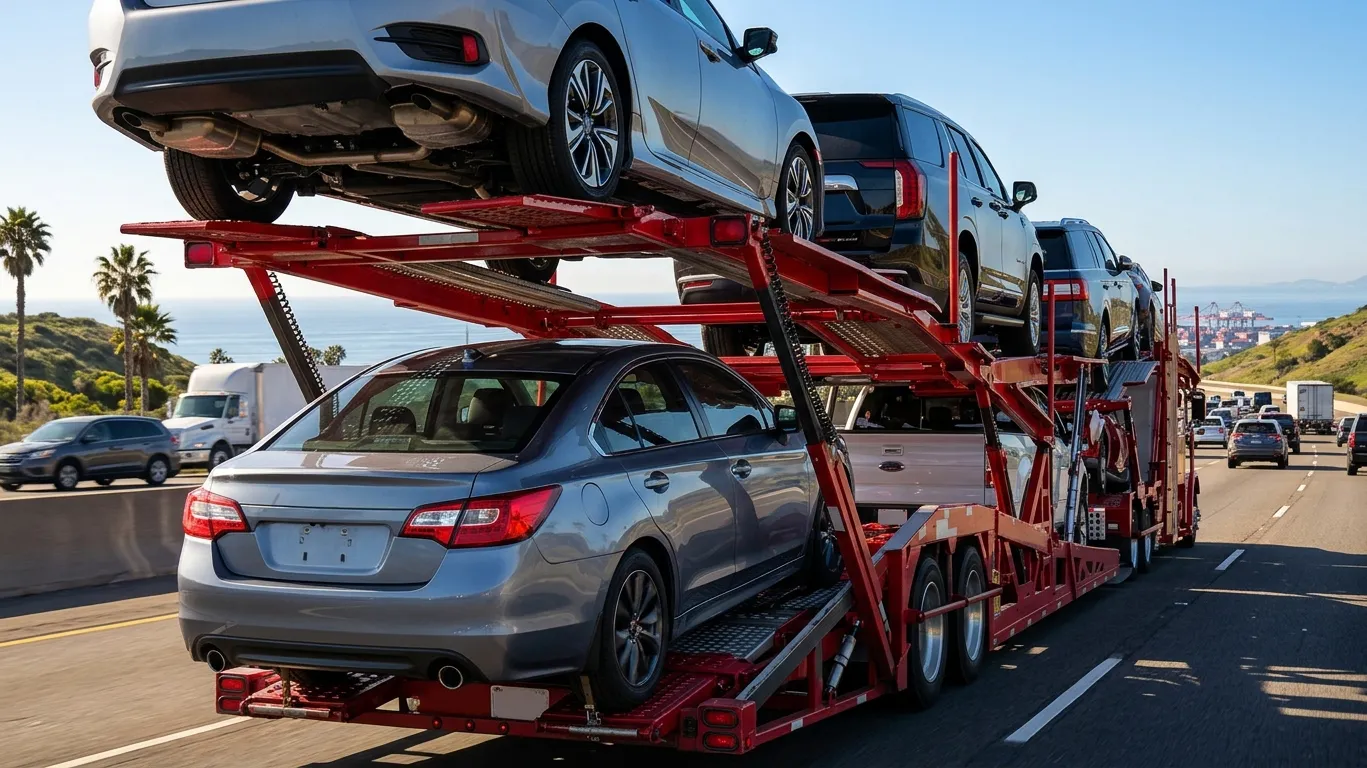
A new policy has been formulated to transform Pakistan’s automotive industry from one limited merely to assembly into an export-oriented manufacturing sector. Under the proposed "Automotive and Auto Parts Manufacturing Policy 2026-31," a target has been set to reach $6.01 billion in exports of vehicles and auto parts over the next five years.
The proposed policy also includes a recommendation to gradually reduce tariffs on imported vehicles and assembly kits, bringing them down to 15% by the 2030-31 fiscal year. Prime Minister Shehbaz Sharif approved the draft policy on October 20, and the next anticipated step is obtaining formal approval in principle from the Federal Cabinet.
Transitioning from Assembly to Export-Oriented Manufacturing
The primary objective of the policy is to enhance production capacity within Pakistan’s auto industry and provide local companies with greater access to global markets. This strategy aims to shift the local industry beyond simple vehicle assembly toward the manufacturing of auto parts and increasing its participation in international supply chains.
If this plan is implemented effectively, it could create new opportunities for local companies to expand their production capabilities and supply auto parts to overseas markets.
Concerns Within the Local Industry Regarding Tariff Reductions on Imported Parts
Local auto parts manufacturers have expressed reservations regarding the proposals in the new policy to reduce tariffs. Industry representatives argue that if duties on imported parts are reduced without simultaneously addressing the high production costs faced by the local industry, Pakistani manufacturers may struggle to remain competitive.
According to local manufacturers, production costs directly influence the competitiveness of their products. Consequently, a reduction in the cost of imported parts could exert further pressure on the domestic industry—especially if a level playing field is not ensured for local players.
Final Policy Decisions Will Be Crucial
The new policy aims to reshape the cost structure of the auto sector by lowering import duties, while simultaneously prioritizing the strengthening of local manufacturing. Striking a balance between these two objectives will be a key challenge during the policy's implementation.
The draft is now expected to be reviewed by the Federal Cabinet. The final policy—including the specific mechanisms for tariff adjustments and the support provided to local manufacturers—will determine the future impact on investment, domestic production, and exports within Pakistan’s auto industry.
Proposed Automotive Policy 2026–31: Key Highlights
| Policy Detail | Proposed Target or Status |
|---|---|
| Policy Period | 2026–2031 |
| Vehicle and Auto Parts Export Target | $6.01 Billion in Five Years |
| Proposed Tariff Level | As Low as 15% by FY 2030–31 |
| Draft Approved By | Prime Minister Shehbaz Sharif |
| Draft Approval Date | October 20, 2026 |
| Next Expected Stage | Federal Cabinet Consideration |