Heatwave affects cotton production, raises cotton prices and threatens closure of textile mills
Published Jul 12, 2026 | By Nouman Shakeel
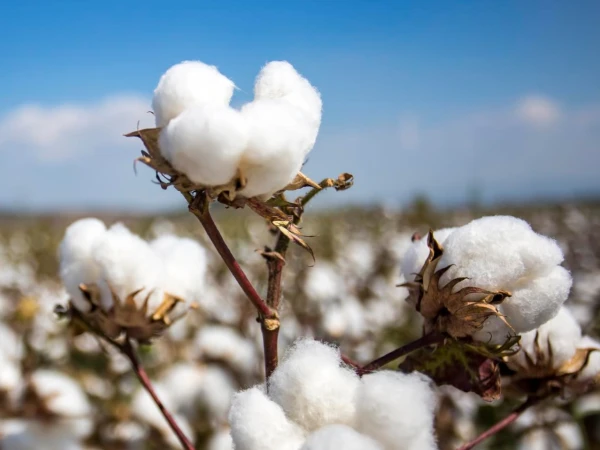
The record-breaking drop in cotton production due to an unusual heat wave in Pakistan’s local cotton belts has raised concerns about increased cotton imports. The drop in production has not only led to a rise in cotton prices, but there are also reports of more textile mills and cotton ginning factories becoming inactive.
Chairman Cotton Ginners Forum Ehsan-ul-Haq said that the highest temperature in history, lack of rain and shortage of canal water in local cotton zones have posed serious threats to the cotton crop, which has raised concerns about the overall national cotton production and quality, and these factors are also expected to increase cotton imports.
He said that due to the record temperatures, most of the cotton crop is prone to wilting and lice, which can severely affect the growth of the plant and lead to an unexpected decrease in the yield per acre. The Punjab Agriculture Department has appealed to farmers to reduce the irrigation interval for the cotton crop and reduce the amount of water, and to spray the cotton crop with micronutrients (boron, etc.) abundantly, while spraying two kilograms of potassium nitrate in 100 liters of water on the cotton crop weekly, which can reduce the negative effects of the heat wave on the cotton crop.
He said that due to the decrease in the arrival of cotton in the ginning factories, a trend of increase in the prices of cotton and cottonseed is being seen, and last week the price of cotton per maund in Punjab increased by Rs 400 to Rs 18,200, while in Sindh it reached Rs 17,700. The price increase may continue this week as well.
He said that due to the lack of relief in the high sales tax rate of 86 percent imposed on the cotton industry and especially the ginning industry in the federal budget, some ginning factories in some areas including Tando Adam in Sindh have become inactive just a month after being functional, while in Rahim Yar Khan, the second largest cotton zone of Punjab, for the first time in a long period of 15 years, not a single ginning factory has been functional by the end of the second week of July.
There are also reports that many more textile mills are also becoming inactive, which has raised concerns of a record increase in unemployment. Incentives are provided by governments of the foreign world to ensure the survival and development of their industries.
In contrast, instead of allocating funds to promote or activate industries in Pakistan, more than 800 billion rupees have been allocated for the promotion of charity. With such a huge amount of funds, at least 1,600 large industries could have been activated in a year. Therefore, the federal and provincial governments should promote business instead of promoting charity so that the country's economy can improve and get rid of the IMF as soon as possible.